Mellorine: Elevate Your Design with Authentic Handwritten Style
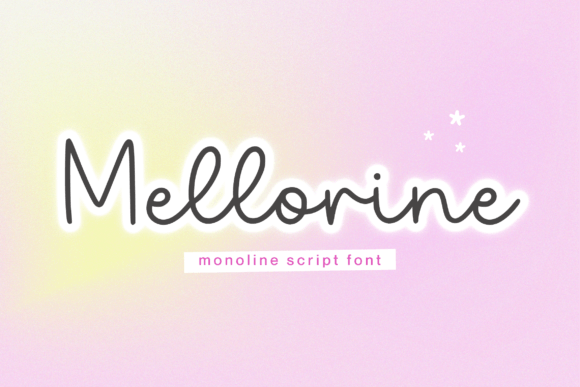
In a digital landscape saturated with sleek, impersonal fonts, a touch of authenticity can make your design stand out instantly. This is where a resource like Mellorine enters the scene, offering a modern handwritten monoline script that bridges the gap between casual elegance and professional polish. Its natural, flowing lines provide an immediate sense of personality and warmth, making it a powerful tool for designers seeking to create more engaging and human-centric visual communication.
Understanding the Value of Authentic Typography
Typography is a cornerstone of effective graphic design, directly influencing brand identity, user experience, and visual hierarchy. A font like Mellorine is not merely decorative; it serves a strategic purpose. Its handwritten style can evoke specific emotions—nostalgia, intimacy, creativity, or approachability—allowing you to tailor your message to resonate deeply with your target audience. When used thoughtfully, it transforms standard layouts into memorable experiences.
Practical Applications for Modern Creative Projects
The versatility of a well-crafted script font makes it a valuable asset across numerous design disciplines. Here’s how you can leverage its strengths:
- Branding and Logo Design: Create distinctive logos and brand marks that feel personal and custom-made, setting a business apart from competitors using generic typefaces.
- Marketing and Social Media Graphics: Enhance digital ads, Instagram stories, and Facebook posts with handwritten quotes or call-to-actions that grab attention and feel more relatable.
- Print and Editorial Design: Add a elegant, artisanal touch to wedding invitations, thank you cards, magazine pull-quotes, or book chapter headings for a sophisticated finish.
- Packaging and Merchandise: Design product labels, shopping bags, or branded merchandise that communicates quality and care, appealing to consumers who value craftsmanship.
- Web and UI Design: Use it sparingly for hero section headers, accent text, or call-to-action buttons to inject personality into an otherwise minimalist interface, improving user engagement.
- Presentation and Digital Products: Make slide decks, e-books, and online course materials more visually interesting and easier to follow by breaking up dense text with stylish script headers.
Integrating Script Fonts into Your Design Workflow
While the appeal of a font like Mellorine is clear, successful implementation requires consideration. Always prioritize readability—script fonts are best used for headlines, short phrases, or accents, not for lengthy body text. Ensure it complements your primary typeface and fits within your overall color palette and visual style. Test its scalability across different mediums, from a small business card to a large banner, to maintain legibility.
Consider your project's goals and audience. A playful handwritten script might suit a boutique bakery's branding but could undermine the authority of a financial consultant. The key is alignment with your brand identity and the message you intend to convey.
Choosing Quality Creative Assets
Selecting the right design assets is a critical step in a professional design workflow. Evaluate fonts not just on aesthetics but on technical quality: look for extensive character sets, stylistic alternates, and proper kerning. A premium font like Mellorine often includes these features, providing greater flexibility and ensuring your designs look polished in any application.
Investing in high-quality creative resources saves time, elevates the final product, and ensures consistency across all visual design touchpoints. It allows designers to focus on strategy and composition rather than struggling with inferior tools.
Ultimately, the most impactful designs are those that communicate with clarity and emotion. By thoughtfully incorporating authentic elements like a skilled handwritten script, you can create visuals that not only look beautiful but also connect, persuade, and leave a lasting impression. This blend of aesthetic appeal and functional purpose is what defines excellent modern design.